





The Art of Whisky: A Connoisseur's Guide
Unlock malt secrets, master the art of choosing the perfect bottle, and elevate your palate with sophisticated, practical tips.

Tasting a fine whisky is like appreciating a masterpiece: it demands time, curiosity, and sharpened senses. If you’ve always wanted to understand what makes this spirit a true icon of sophistication but didn’t know where to start, this guide was crafted specifically for you.
Forget rigid rules. The goal here is to transform your next toast into an unforgettable experience.
1 - Demystifying the Liquid: What is Whisky?
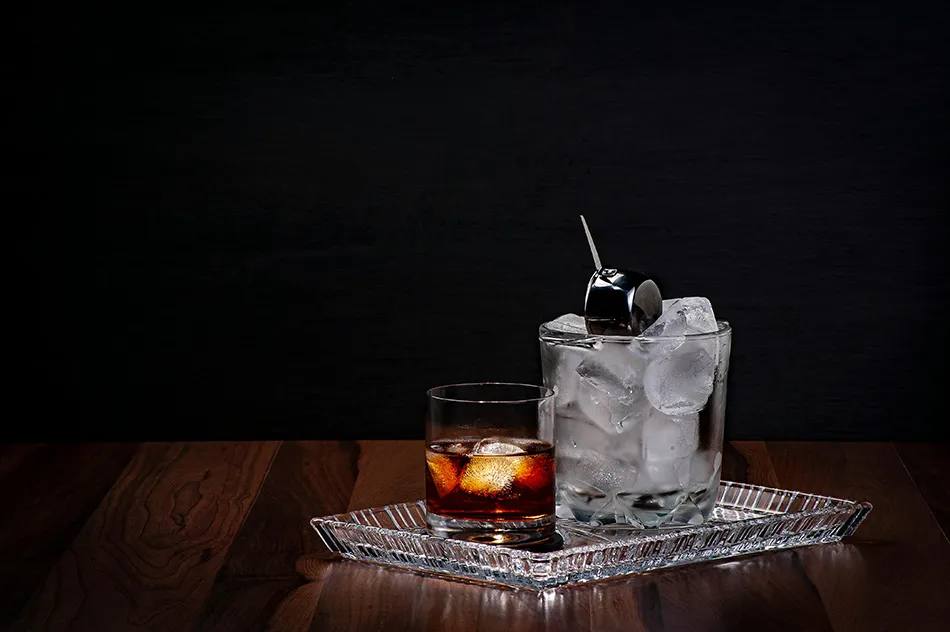
At its core, whisky is a grain spirit. It can be made from corn (common in American varieties), barley (the soul of Scotch), or even rye. Add water, yeast, and a massive dose of patience during the aging process.
To hold your own in any conversation, remember these three categories:
- Single Malt: Whisky made exclusively from malted barley at a single distillery. It’s the purest expression of a specific terroir.
- Single Grain: Generally lighter, made from other grains like corn or wheat.
- Blended: The art of the mix. It’s the perfect balance between different malts and grains to create a consistent, pleasurable flavor profile.
Fun fact: Beyond the "Big Four" (Scotland, USA, Ireland, and Japan), countries like France and India have been turning heads with award-winning labels. The world of whisky is far vaster than most imagine.
2 - How to Choose Your First (or Next) Bottle
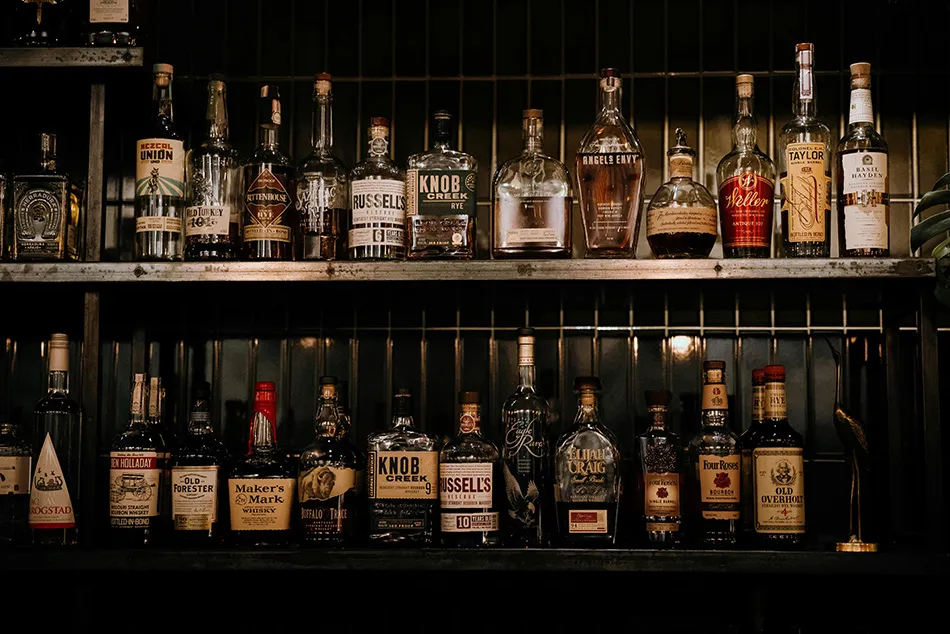
Don’t be swayed by price tags or flashy packaging alone. To start on the right foot and properly educate your palate, look for balanced labels:
- Macallan 12 Years: Elegant and smooth—a luxurious gateway.
- Johnnie Walker Black Label: A classic for a reason; accessible complexity.
- Talisker 10 Years: For those ready to explore slightly smoky, maritime notes.
Expert tip: Avoid "cask strength" whiskies in the beginning. They have a very high alcohol content (up to 70%) which can mask the subtle notes you’re still learning to identify.
3 - Where Flavor is Born: Barrels and Angels
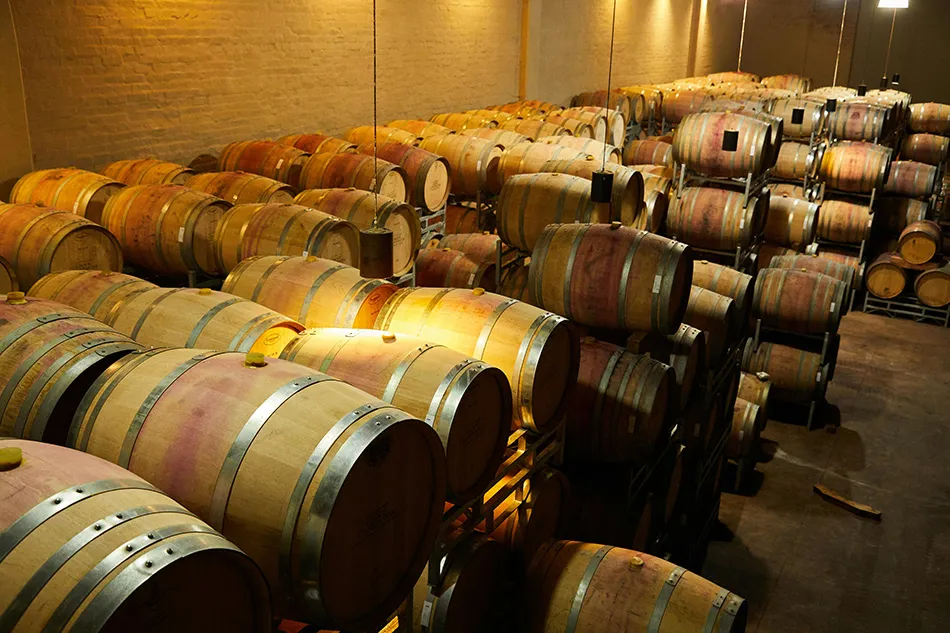
Whisky leaves the still as a clear liquid. All its color and about 60% of its flavor come from the wood. Barrels that previously held Port or Sherry bring sweetness and notes of dried fruits.
There’s also a poetic touch to the process: the "Angels' Share." This refers to the volume that naturally evaporates from the barrels during years of maturation. It’s because of this natural loss that older whiskies are so rare and valuable.
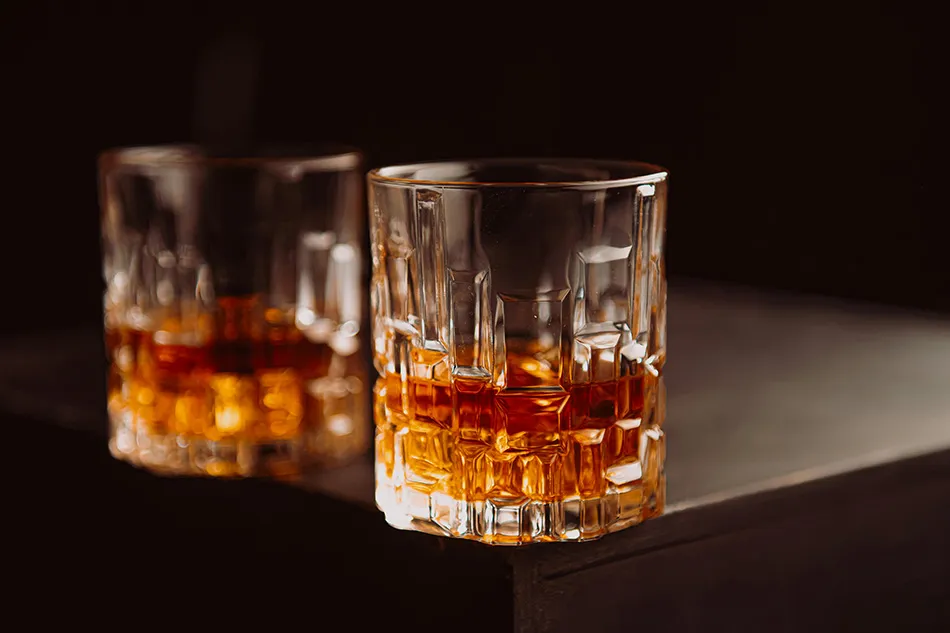
While drinking whisky neat is the best way to truly know it, a single drop of water can work miracles. It "opens up" the spirit, releasing aromas that the alcohol sometimes keeps hidden.
- The Glass: Use a "tulip" shape or a Glencairn. They concentrate the aromas at the top.
- Temperature: Skip the ice if you want to experience every note. Excessive cold "numbs" the flavor profile.
- The Grip: Hold the glass by the base. The heat from your hands can overheat the drink, causing the alcohol to overpower the aroma.
5 - Embracing the Experience

- The Nose: Bring the glass close and breathe in gently. Do you pick up vanilla? Honey? Chocolate? Or perhaps a hint of smoke?
- The Palate: Take a small sip and let the liquid coat your tongue. Notice the texture—some are silky, others more robust.
- The Finish: After swallowing, notice how long the flavor lingers. A "long finish" is the hallmark of a high-quality whisky.
The best whisky in the world is the one you enjoy drinking. Whether it’s a moment of solitary relaxation or a celebration with friends, the secret lies in constant discovery. Explore new labels, test different glasses, and above all, enjoy the journey.
Which whisky is a must-have in your personal bar? Leave your recommendation in the comments and let's talk shop!
Posted in: 06/02/2026
Last modified: 06/02/2026
0 comments